The unfamiliar-port problem is rarely a shortage of people willing to sell you something. It is finding the person who understands exactly what you need, can deliver it where the yacht actually is, and will tell you promptly when reality changes.
A polished website helps you find a supplier. It does not tell you whether “tomatoes” means firm fruit for slicing or a box ready to become sauce before lunch. Evaluate the operation behind the photograph.
Start with identity and capability
Confirm the business name, physical address, contact person and invoicing details. Establish whether you are speaking to a producer, wholesaler, shop or provisioning agent. Each may be useful; you need to understand who is sourcing, handling and delivering your order.
Ask which categories they handle directly, their order cut-off, minimum spend, delivery charges and payment terms. Check any relevant registration or approval through the appropriate local authority where available. A rating, badge or recommendation can support your shortlist, but it is not a universal guarantee of food safety or quality.
Have a backup contact for critical items. A second supplier is contingency planning, not an accusation against the first.
Write a specification that survives translation
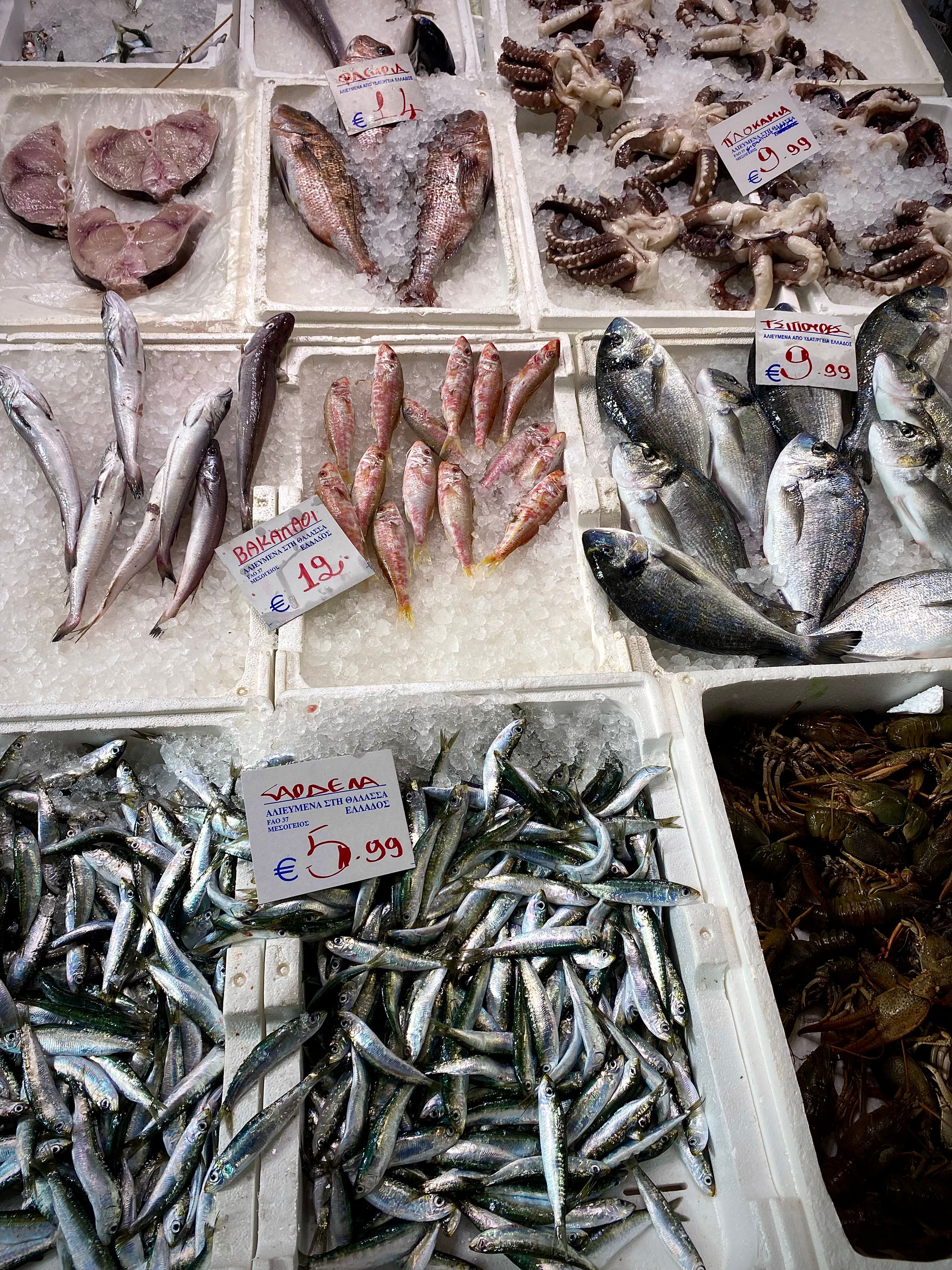
For important products, specify species or product identity, cut, grade where a recognised grading system applies, size, pack format, quantity, unit and intended preparation. A product name alone leaves too much room for interpretation.
“Twelve portions of skin-on sea bass fillet, pin-boned, approximately 180 g each” is more useful than “fish for twelve”. Clarify whether quoted weights are net product weights, whole-fish weights or packed weights, and whether trimming is included. Do not use a vague marketing grade as proof of suitability for a particular preparation.
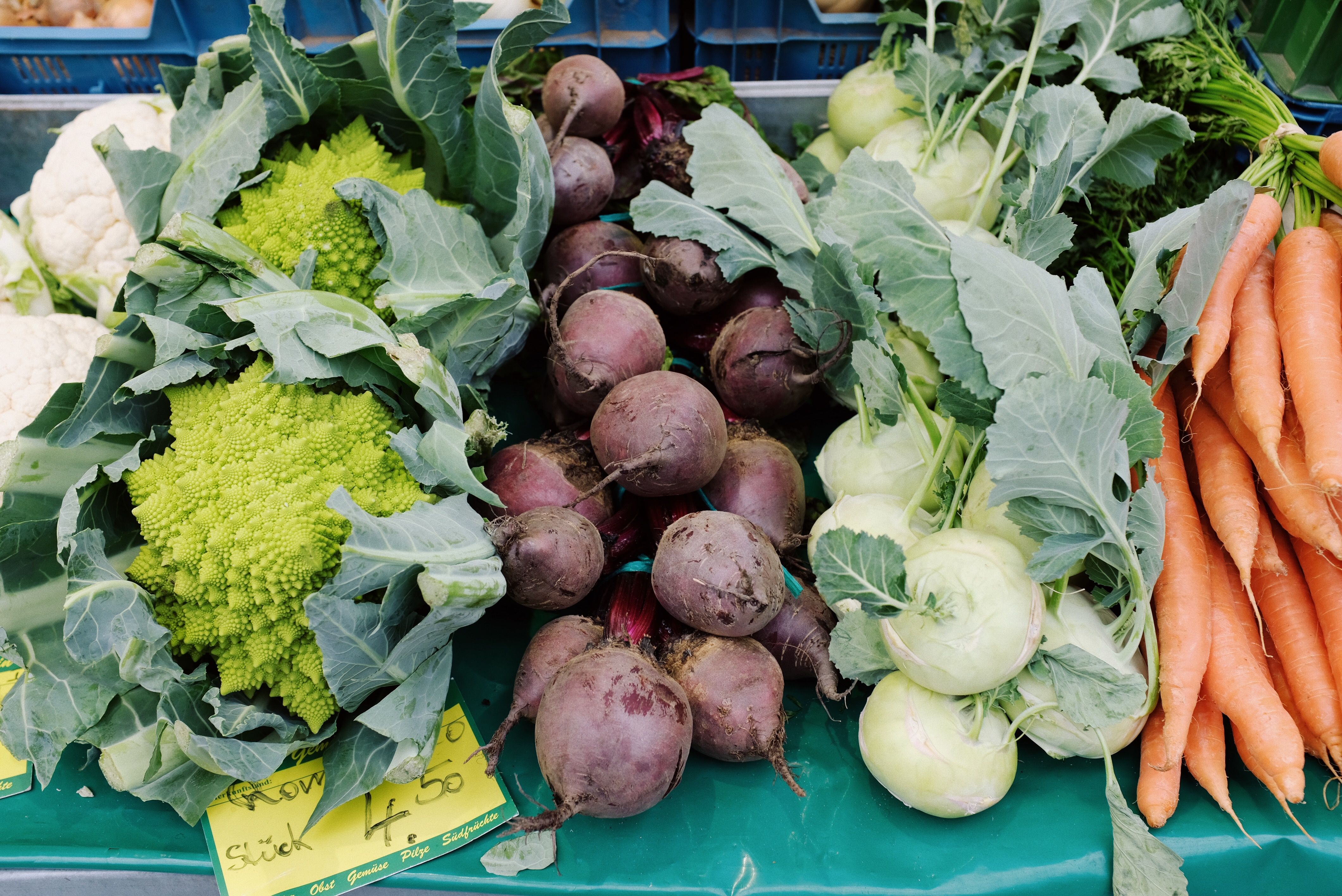
For produce, specify ripeness and use date. For meat, specify the cut and any required trimming. For packaged foods, request the exact product or full ingredient and allergen information before approving alternatives. A familiar-looking package can contain an unfamiliar recipe.
The best supplier question is the one that prevents a surprise at the gangway.
Make the delivery plan as precise as the food order
Confirm the date, delivery window, marina, berth or agreed transfer point, access restrictions and a working telephone number. Discuss what happens if the yacht moves or access changes. “At the port” is a location in the same way that “somewhere in the fridge” is an inventory system.
Ask how temperature-sensitive products will be stored and transported, including any transfer between vehicle and vessel. Agree who receives the delivery and ensure suitable storage is ready. The applicable food-safety plan and local requirements should determine the checks and limits; a universal temperature rule pasted into an international article would be misleading.
Put substitutions in writing: no unapproved replacement for specified critical items. Set out acceptable alternatives where you can, including price differences. An unanswered message is not approval.
Keep the story of the product
Request delivery documents that connect the goods to the supplier and order. Retain relevant product identification, batch or lot information, quantities and dates so you can investigate a discrepancy or recall. GOV.UK’s supplier guidance explains the role of traceability and receiving checks in a UK context. Use it as a practical reference while checking the rules applicable to your operation.
Records are useful commercially too. They help distinguish a short delivery from a purchasing mistake and turn “I think we received six” into an answer somebody can act on.

Receive first, sign second
Build a receiving routine that covers the following:
- Compare product identity, pack size, quantity and approved substitutions with the order.
- Check packaging condition, labels, dates and the required temperature controls.
- Assess whether the quality and preparation match the agreed specification.
- Record discrepancies promptly, with photographs where useful and appropriate.
- Follow your procedure for rejecting or isolating unsuitable goods, contact the supplier and arrange corrective action.
- Move accepted products into suitable storage without avoidable delay.
Do not use food you believe has been handled unsafely. A refund discussion can wait; an unsafe ingredient cannot be made acceptable by a friendly driver.
Score the first order fairly
After service, review accuracy, communication, delivery reliability, quality, documentation and response to problems. Keep short factual notes. “Called before replacing unavailable basil” tells the next chef more than “nice guy”.
Start with a manageable order when time and circumstances allow. Expand the relationship as performance earns confidence. The ideal supplier is not the one who promises the entire Mediterranean by 09:00. It is the one whose confirmed delivery lets you plan dinner with a reasonably normal pulse.