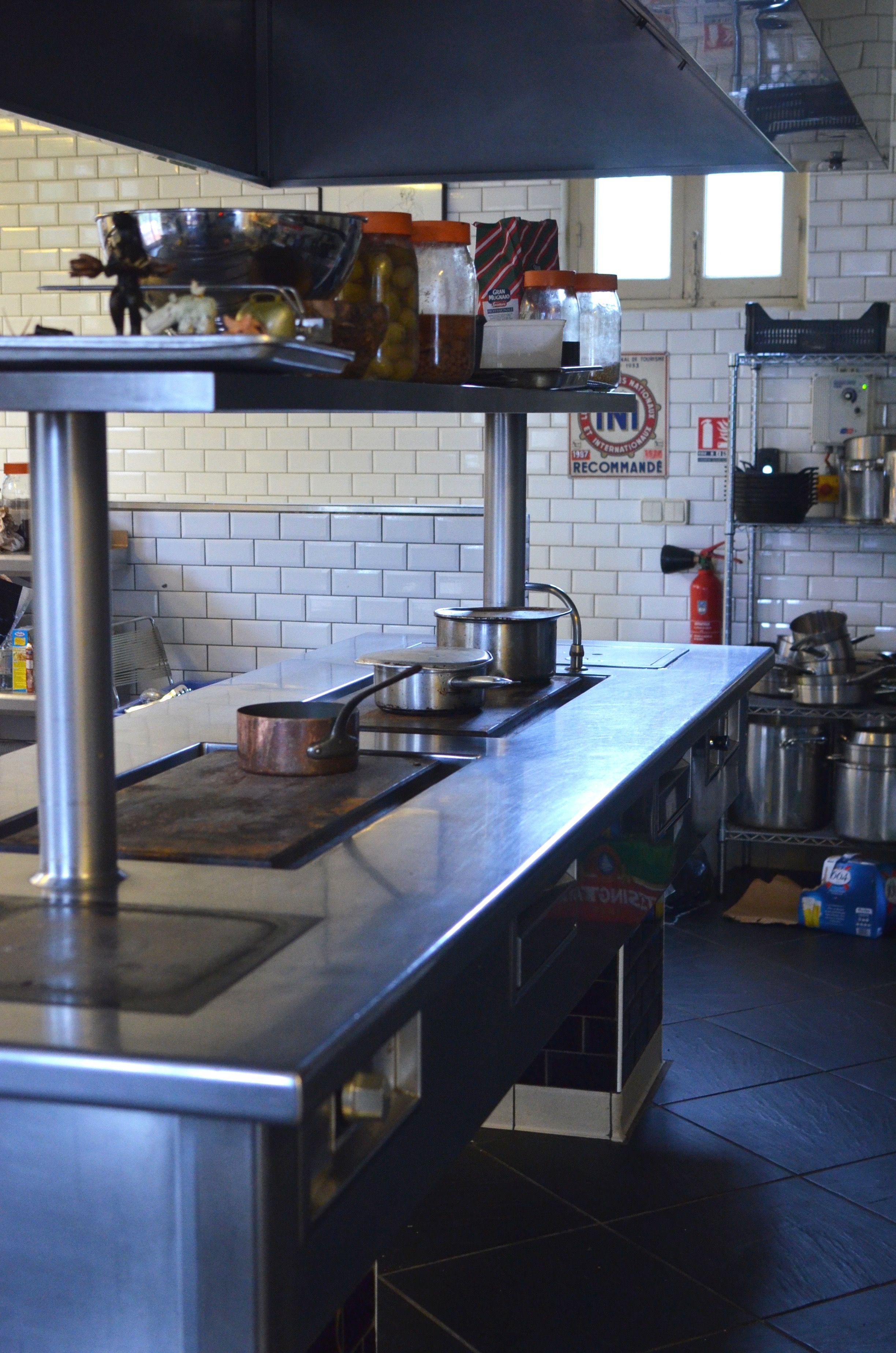
The fish arrives just as the tender departs, the stewardess needs lunch brought forward, and someone has discovered a sudden enthusiasm for raw oysters. Welcome to the galley: a restaurant with an itinerary and occasional lateral movement.
Good food safety makes that complexity manageable. It is a working system you can follow when the beautiful plan meets the very busy boat.
Build the routine before the first delivery
WHO's Five Keys to Safer Food provide a useful foundation: cleanliness, separation of raw and cooked food, thorough cooking, temperature control, and safe water and ingredients. Turn those principles into a short vessel-specific plan with named responsibilities, monitoring points and corrective actions.
Confirm the applicable rules with the captain or management. Flag, vessel operation and trading area matter. The UK's MCA food and catering notice addresses seafarer catering on vessels within its stated scope, including commercially operated yachts; its MLC regulations exclude pleasure vessels. That distinction is not permission to relax hygiene on a private yacht. It means a UK rule should not be presented as a universal legal requirement.
Keep your daily version short enough to use. A procedure hidden in a folder called “Final_Final_ActuallyFinal” has already lost the service.
The cold chain includes the dock
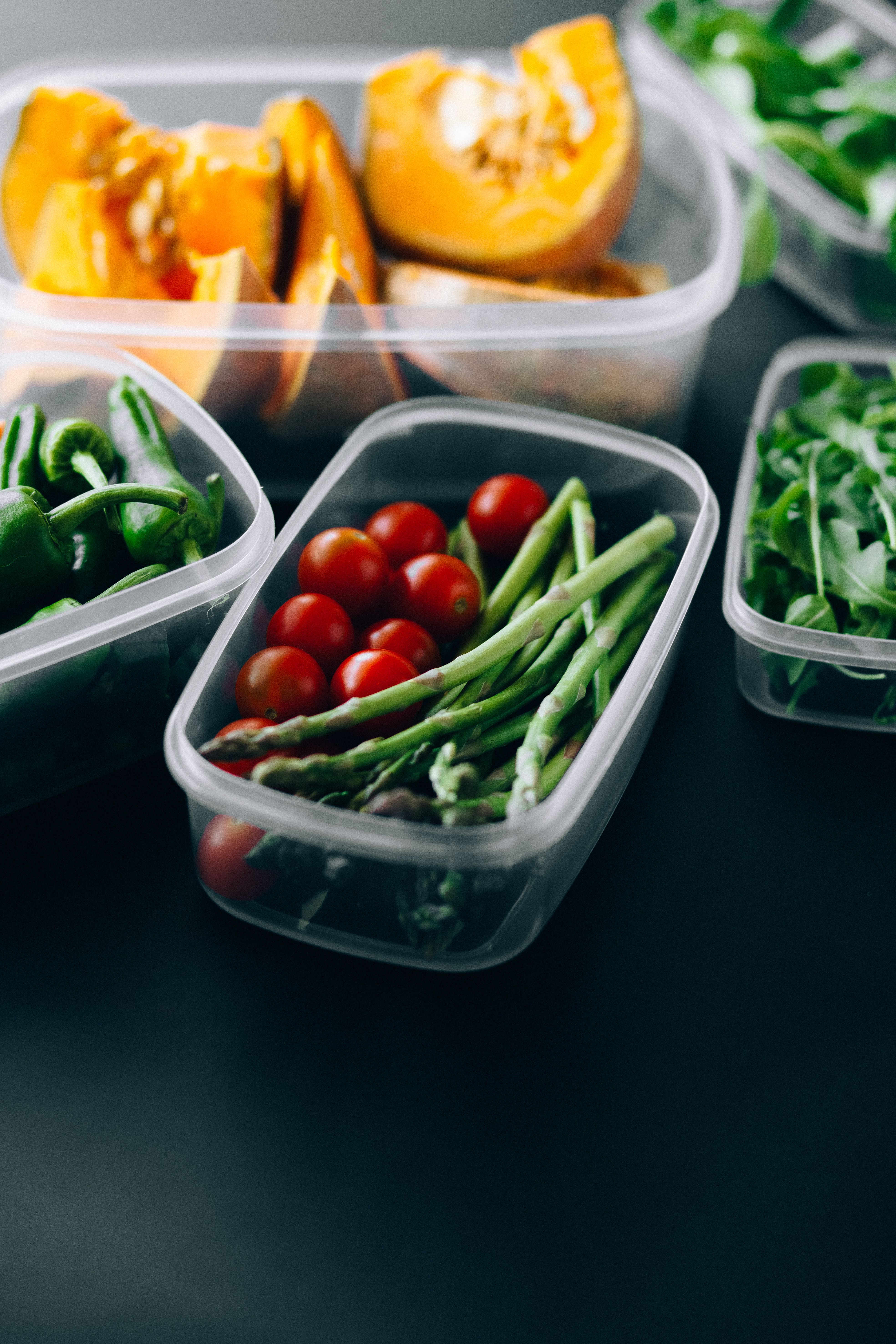
Refrigeration does not start when the delivery reaches your walk-in. Official UK storage and transport guidance calls for temperature control during transport and storage, suitable protective containers, and separation of raw and ready-to-eat food.
Arrange a delivery window someone can actually receive. At handover, check the products against the order: packaging, identification, dates and temperatures using your agreed method. Have a clear rejection or isolation procedure for anything outside specification. Record the discrepancy before the driver disappears into marina traffic.
Move chilled and frozen goods promptly into their designated storage. On a tender run, plan insulated transport and the transfer time. The tomatoes may enjoy the view; the chilled delivery does not need a sightseeing stop.
Make temperatures actionable
Write the limits for receiving, storage, cooking, cooling, reheating and holding into the vessel's food safety system. Use the limits applicable to the food, process and jurisdiction, with a trained person responsible for decisions when they are missed.
For context, current UK business guidance specifies chilled food at 8°C or below in England, Wales and Northern Ireland and recommends setting fridges to 5°C or below. These are scoped examples, not a worldwide yacht temperature chart; particular foods or procedures may require tighter controls.
A display reading alone cannot settle the condition of a warm delivery. Use an appropriate, clean food probe where required and verify its accuracy according to your procedure. UK cooking guidance describes 70°C for two minutes at the core as standard advice, with alternative validated time–temperature combinations. Match the method to the product; do not extrapolate a quick reading into approval of an unfamiliar process.
A useful temperature record tells the next chef what happened, what changed and whether the food can be used.
Separate the work, even when space is scarce
UK cross-contamination guidance emphasises separating raw foods from ready-to-eat foods, handwashing between tasks, and appropriate equipment and surface controls.
In a compact galley, map the sequence as well as the space. Prepare ready-to-eat items in a clean area; protect and store them before beginning raw preparation. Follow your cleaning and disinfection procedure between activities. Keep raw juices contained and raw food below ready-to-eat food where a fridge is shared.
Colour-coded boards help people find the right equipment. They cannot rescue a dirty knife, contaminated handle or cloth used everywhere. Include those contact points in the routine, along with probe cleaning and food-contact chemical instructions.
Secure containers, check door latches and plan safe access before sailing. If motion makes a process unsafe, change the operation with the captain. A simpler menu is an excellent piece of seamanship.
Plan cooling before cooking
The question is not merely whether the stockpot fits in the fridge. It is whether your method can cool its contents safely without compromising other food.
WHO's summer guidance advises prompt refrigeration, smaller portions in shallow containers and avoiding overfilled fridges. It also explains that unsafe food may look and smell normal. Design batch sizes around your equipment and validated cooling procedure; record the checks your system requires.
Use safe water and ice, and follow the vessel's water-management arrangements. A spotless garnish cannot compensate for an unsafe water supply.
A realistic interruption
During preparation, the refrigerator alarm sounds. Pause use of affected food, keep the door closed where possible and alert the responsible crew member. Check the time–temperature information, equipment fault and food condition against your corrective-action procedure. Transfer food only to suitable working storage if that procedure permits. Where safety cannot be established, discard it; smelling it is not a clearance test.
The five-minute handover
Before leaving the galley, give the next person a useful picture:
- Which batches are cooling, and when is the next check?
- Which food must be used first, and where is it labelled?
- Which equipment needs attention?
- What was rejected, isolated or discarded, and why?
- Who owns the next action?
The FSA's Safer Food, Better Business resources offer an example of practical procedures and diary records for their stated England-and-Wales context. Adapt the recording format to the vessel's approved arrangements. Aim for a record another chef can understand immediately—even before coffee.