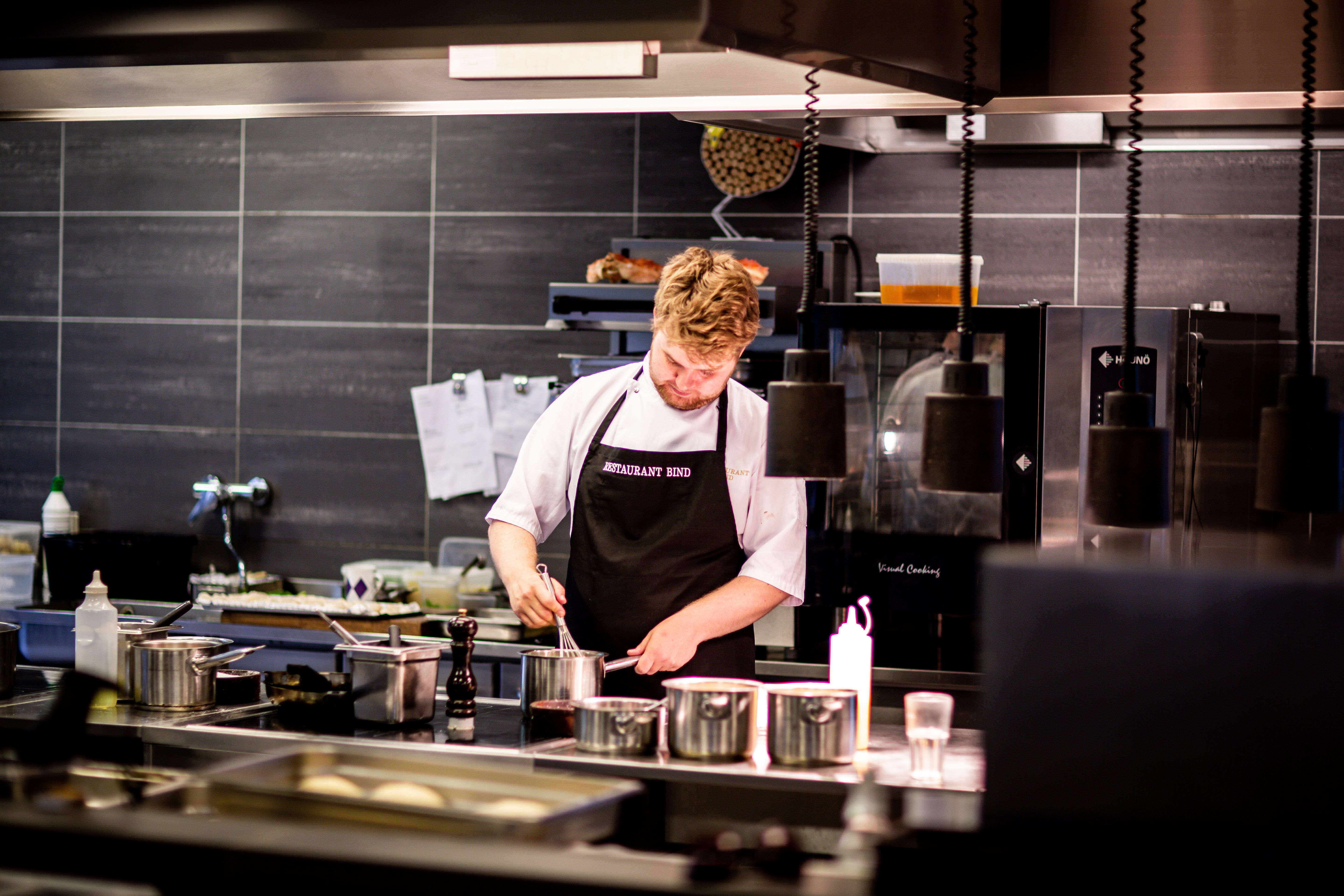
A yacht chef is a chef, buyer, menu planner, stock controller, food-safety professional, problem-solver and trained crew member—often all at the same time.
The reality behind the photographs
From the outside, life as a yacht chef can look almost unreal: beautiful destinations, exceptional ingredients, creative freedom and dinner served against a Mediterranean sunset.
Sometimes that picture is accurate. It is simply missing everything that happened before the photograph.
Behind one polished plate may be a changing itinerary, a delayed delivery, three dietary requirements, a crew meal, a refrigerator with no remaining space and a guest who has just remembered that they do not eat the main ingredient. The yacht may also be moving while all of this is happening.
Being a yacht chef can be rewarding, well paid and professionally exciting. It can also be physically demanding, isolating and unpredictable. The fairest way to describe the profession is neither to romanticise it nor to complain about it. It is to explain the complete job.
BEHIND THE PLATE
Changing itinerary · dietary requirements · crew meals · limited storage · moving galley · last-minute requests
There is no single “yacht chef” role
The title sounds specific, but it can describe very different positions.
Even two yachts of exactly the same length may offer completely different working lives. One might be a quiet private yacht used occasionally by a small family. The other may run back-to-back charters with twelve guests, a busy crew and several formal services each day. The metres are the same; the reality is not.
The type of yacht matters too. A motor yacht may offer more galley space, depending on its layout, while sailing can introduce heeling, tighter storage and periods when cooking becomes a practical exercise in gravity. Catamarans have their own layouts, service styles and operating patterns.
Size affects staffing. On a smaller vessel, a sole chef may handle every guest and crew meal, menu plan, shopping trip, invoice and refrigerator. On a large superyacht, the galley may include an executive or head chef, sous chefs, a crew chef and additional support.
The yacht's flag, private or commercial status, operating area, tonnage and crew complement can also change the applicable rules and certification requirements. A job title should never be treated as a complete job description.
Sole chef or full galley team?
A sole chef runs the food operation independently. That normally includes menu planning, provisioning, cooking, stock control, galley hygiene, dietary management and administration. There may be help with loading provisions or washing dishes, but this should be clarified before joining—not discovered during the first charter.
On larger yachts, responsibilities are divided. An executive or head chef may manage menus, standards, budgets and staff. A sous chef may support guest service, while a crew chef focuses on feeding the people who keep the vessel operating.
A larger team does not automatically mean an easier job. It may also mean more guests, more elaborate service, larger events, stricter reporting and higher expectations. The important question is whether staffing matches the actual workload.
Guest food, crew food and the meaning of “something light”
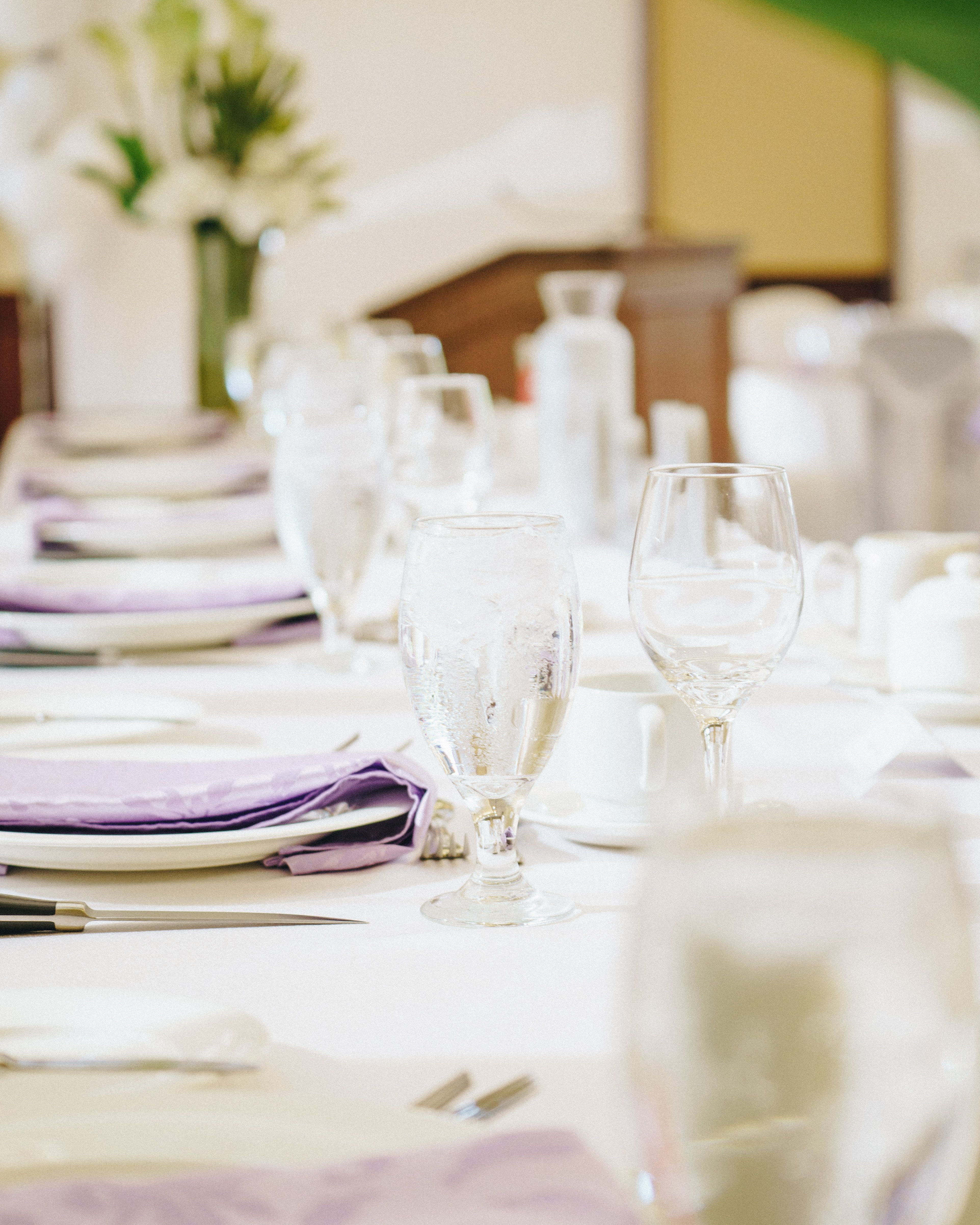
Guest dining is the most visible part of the job. A chef may be expected to deliver breakfasts cooked to order, informal lunches, canapés, tasting menus, children's meals, celebration cakes and late-night snacks—sometimes within the same day.
“We would like something light” is a famous phrase in yachting. It may mean grilled fish and salad. It may also mean starters, pasta, seafood, dessert and a small snack afterwards. An experienced yacht chef learns to ask friendly but precise questions.
YACHT-CHEF TRANSLATION
“Something light” does not always mean something small.
Crew food is less visible but equally important. Deck, engineering and interior teams often work long and physically demanding hours. They need meals that are nutritious, satisfying and served around different schedules. Nationalities, religions, allergies and personal preferences can make one crew table surprisingly complex.
Crew food should not be treated as leftovers from guest service. At the same time, expecting one sole chef to operate two separate restaurants every day without sufficient time or support is not realistic. That is a staffing issue, not evidence that the chef needs a “better attitude”.
Preference sheets and menu planning
Preference sheets are useful, but they are not magic.
They may contain allergies, dislikes, favourite cuisines, preferred brands and daily habits. They can also contain contradictions. A guest may request healthy, low-carbohydrate food and then ask whether fresh bread will be served at every meal. “I eat everything” often lasts until the first menu is presented.
The chef must distinguish between preference, intolerance, religious requirement and medically significant allergy. If the information is unclear, it should be clarified rather than guessed. Allergies influence purchasing, storage, preparation, cooking and communication with the service team—not just the final plate.
Menu planning must also consider the itinerary, weather, guest activities, local availability, storage capacity and possible changes. A good yacht menu is not simply creative. It is executable, adaptable and supported by sensible backup options.
Provisioning, budgets and the refrigerator puzzle
Provisioning is far more than shopping. It involves estimating quantities, finding reliable suppliers, confirming specifications, arranging delivery, checking quality, recording expenditure and storing products safely.
In an unfamiliar port, the chef may need to find a particular ingredient or brand with limited time and incomplete local knowledge. Deliveries can be late, substitutions unsuitable and fresh products below standard. Once the yacht leaves port, fixing a mistake becomes much harder.
The chef may also be responsible for budgets, invoices, receipts and charter accounts. Financial organisation is part of professional galley management, even if it receives fewer social-media likes than a lobster plate.
Then everything must fit into the refrigerators, freezers and dry stores. Provision too little and the yacht may run short. Provision too much and the chef creates waste, blocks storage and spends the week playing an expensive version of refrigerator Tetris.
THE PROVISIONING EQUATION
Enough choice + limited space + no easy resupply = plan carefully and always keep a backup.
Food safety in a moving galley
A yacht galley contains heat, knives, hot oil, electrical equipment and heavy objects inside a space that can move without warning. Safe storage and secured equipment are essential, especially while underway.
Food safety remains a core responsibility during busy service. Temperature control, stock rotation, personal hygiene, cleaning and cross-contamination prevention cannot be postponed because the guests changed dinner time.
Certification requirements vary. Depending on the vessel, a chef may need recognised food-safety training and, in some circumstances, a Ship's Cook Certificate of Competency. The applicable standard depends on factors including the flag, vessel status, operation and crew numbers; the MCA’s ship’s-cook guidance is one flag-specific example. Chefs should verify requirements with the flag administration, captain or management company rather than relying on advice that begins with, “On my last boat…”
You are not only the chef—you are crew
Working at sea creates responsibilities beyond the galley.
Common entry requirements may include STCW Basic Safety Training, a valid ENG1 medical certificate or accepted equivalent, and appropriate food-safety training. Other qualifications may be required depending on the yacht and assigned duties. The MCA’s medical guidance includes exemptions, so an ENG1 should not be described as a universal legal requirement for every yacht. Certificates must also be current and recognised by the relevant administration.
More importantly, the chef is part of the vessel's safety system. They must know the alarms, escape routes, muster station, location of safety equipment and their assigned emergency duties. Safety drills are not interruptions to prep; they are part of the job.
SAFETY FIRST
In an emergency, the menu stops. The muster list takes over.
What happens in an emergency?
During a fire, collision, medical emergency, person-overboard incident or abandonment, the chef follows the vessel's emergency plan and muster list.
If safe and required, the chef may need to shut down galley equipment before reporting to the assigned station. Their role might involve firefighting, first aid, communications, passenger control or another defined duty, depending on their training and the vessel's plan.
Guests may be frightened, seasick, injured, unfamiliar with alarms or unable to understand the crew's language. The chef may be required to help guide them, assist with lifejackets, direct them towards the muster station or support an evacuation.
Helping passengers does not mean improvising a heroic side mission. The safest assistance is organised assistance: follow training, report to the assigned position and act under the captain or responsible officer's command.
The galley itself is a high-risk area. Chefs should understand how to report and respond to a galley fire, where isolation controls are located, and why water and burning cooking oil are a particularly bad recipe.
Living where you work

In a restaurant, a difficult shift eventually ends with a journey home. On a yacht, home may be one deck below the oven.
Crew accommodation can be shared, privacy limited and personal time interrupted by the yacht's programme. Working and living with the same small group requires patience, communication and boundaries. Minor tensions can grow quickly when nobody can physically leave the workplace.
Flexibility is essential in yachting, but flexibility should not mean permanent availability. Rest, safe working practices and clearly defined responsibilities still matter. “Team player” should describe cooperation, not a job description with no edges.
Discretion is equally important. Chefs may have access to guests' medical, dietary and lifestyle information. Preference sheets, names, locations and private meals should not appear online without proper authorisation. A beautiful plate is not worth violating someone's privacy.
The skills nobody sees on the plate
Culinary ability is only the beginning. A capable yacht chef also needs organisation, forward planning, calm decision-making, clear communication, budget control, cultural awareness and discretion. They must adapt without abandoning standards—and solve problems without turning every missing avocado into a crew-wide crisis.
Restaurant experience provides valuable technique, discipline and speed. What it may not teach is how to cook safely while moving, provision for several days without easy resupply, manage guests and crew simultaneously, or live beside the people with whom you work.
These skills develop through maritime training, preparation, good leadership and experience—not by pretending that difficult conditions are normal.
WHAT THE PLATE DOES NOT SHOW
Planning · budgeting · discretion · communication · safety · adaptability · calm under pressure
Five questions before you accept the berth
A useful interview goes beyond cuisine and salary. Ask these while everyone still has time to answer properly:
- How many guest and crew meals will I prepare, and who covers my rest?
- Which provisioning, cleaning and administrative tasks belong to the role?
- How frequently does the yacht change itinerary or run consecutive trips?
- What galley equipment and storage will I actually have?
- Who resolves conflicting service requests and approves extra support?
Answers reveal the operation behind the brochure. “We all help each other” is encouraging; knowing who helps, when, and with what is considerably more useful.
So, is it a good life?
It can be.
Yacht chefs may work with remarkable ingredients, visit places they might never otherwise see, earn strong salaries and enjoy unusual creative freedom. They can build close professional relationships and produce experiences guests remember for years.
The work can also involve long hours, isolation, physical fatigue, limited storage, demanding expectations and blurred personal boundaries. A good position depends not only on the yacht's size or salary, but on the captain, crew culture, owners or guests, itinerary, staffing, contract and clarity of the role.
The yacht chef is not simply the person who cooks. They are a planner, buyer, stock controller, food-safety professional, problem-solver and trained member of the crew. In many positions, they manage an entire food operation—while that operation moves across the sea.
The sunsets are real. So are the invoices, safety drills and 7 a.m. requests for a breakfast nobody mentioned yesterday.
That combination is what life as a yacht chef actually looks like.
FINAL WORD
The glamour is real. So is the work.
Chef Hub note
Maritime, employment and certification requirements vary according to the yacht's flag, private or commercial status, size, tonnage, operating area, crew complement and jurisdiction. This article provides general professional information, not legal or certification advice. Always confirm current requirements with the relevant flag administration, captain or yacht-management company.